Tartan Beige Brown Plaid Paper Patterns: A Practical Guide for Creative Projects
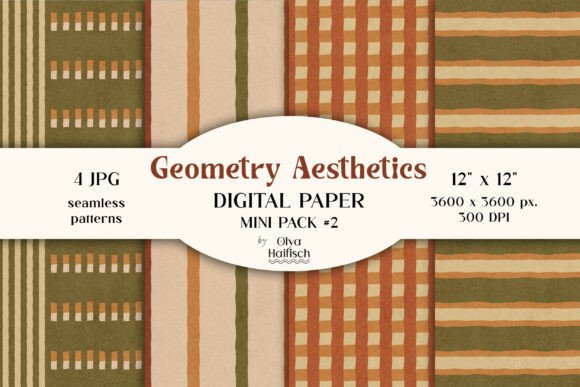
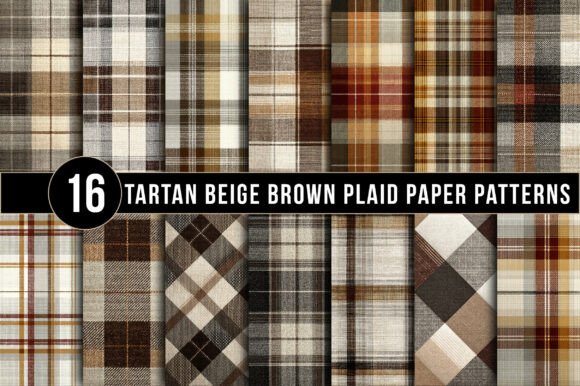
The Tartan Beige Brown Plaid Paper Patterns collection offers a set of 16 high-quality PNG designs with a solid color and distressed effect. These digital patterns are ideal for creators, entrepreneurs, and hobbyists who need versatile, ready-to-use textures in their work. With a resolution of 300 dpi and a transparent background, the files are easy to integrate into various creative workflows and print-ready for physical products such as T-shirts, cards, scrapbooks, wall decor, and more.
Understanding Tartan Beige Brown Plaid Paper Patterns
Tartan plaid is a classic design motif often associated with Scottish heritage, but its appeal has transcended cultural boundaries. The beige and brown palette gives it a warm, earthy tone that complements both modern and vintage aesthetics. In the context of digital design, these paper patterns bring a tactile, handcrafted look to projects without requiring any physical materials. They’re especially useful when you want to evoke a sense of nostalgia or add subtle texture to clean compositions.
When to Use Tartan Beige Brown Plaid Paper Patterns
These patterns can be used at different stages of your creative or business process:
- Before a project starts: Use them during brainstorming or mood board creation to establish visual direction.
- During production: Incorporate them into digital mockups, packaging designs, or branding assets to enhance visual appeal.
- After finalization: Apply them to printed items like greeting cards, calendars, or home décor to give a finished product an extra layer of sophistication.
Integration with Common Tools and Software
Since the files come in PNG format with a transparent background, they are compatible with most graphic design software, including Adobe Photoshop, Illustrator, Canva, and Procreate. This makes it simple to overlay the patterns on other elements or use them as standalone textures. Their high-resolution (300 dpi) ensures clarity when printed, which is essential for professional outputs.
To implement these patterns effectively, consider the following tips:
- Organize your files: Store the pattern files in a dedicated folder for quick access during design sessions.
- Use layers wisely: Place the tartan pattern on a separate layer so you can adjust opacity or blend modes without affecting the rest of your design.
- Test before printing: Print a small sample to check how the distressed effect appears on your chosen material, especially if you're using fabric or textured paper.
Real-World Applications and Use Cases
Here’s how professionals across different industries might utilize these patterns in their daily work:
Graphic Designers
Graphic designers working on brand identities or promotional materials can use the Tartan Beige Brown Plaid Paper Patterns to add warmth and character. For example, applying the distressed effect to a brochure or poster background can create visual interest while maintaining readability.
Entrepreneurs and Small Business Owners
If you run a stationery or craft-based business, these patterns can elevate your product line. Consider using them for custom thank-you cards, gift tags, or even as part of your product packaging. The beige and brown tones are versatile enough to match minimalist or rustic branding styles.
Hobbyists and DIY Creators
For those who enjoy scrapbooking or creating handmade gifts, these patterns serve as excellent embellishments. You can digitally print them onto cardstock or fabric and cut them into shapes to add depth and dimension to your layouts. The transparency allows for seamless blending with photos and handwritten notes.
Marketers and Event Planners
Marketing teams and event planners often require cohesive visual themes for campaigns or invitations. The tartan pattern can be subtly added to social media templates, email headers, or printed banners to reinforce a theme of tradition, craftsmanship, or autumnal charm.
Workflow Examples
Let’s explore two practical workflow examples to see how the Tartan Beige Brown Plaid Paper Patterns can be implemented efficiently:
Example 1: Creating a Seasonal Greeting Card
- Start by downloading the pattern files and importing them into your design software.
- Choose one of the 16 designs that best matches the tone of your card—perhaps a subtler pattern for a minimalist layout or a bolder one for a rustic look.
- Adjust the size to fit your card dimensions (e.g., A6 or A5).
- Overlay the pattern on a base layer and experiment with blending options to ensure legibility of text and images.
- Export the file at 300 dpi and send it to a local printer or online service for production.
Example 2: Enhancing a Digital Product Mockup
- Open your product mockup in Photoshop or another editing tool.
- Import the tartan pattern as a texture layer over the item being presented—like a mug, tote bag, or notebook cover.
- Use masking tools to apply the pattern only where needed, avoiding clutter or overwhelming the design.
- Ensure the pattern doesn’t interfere with the main content or branding message of the product.
- Save the final image for use in e-commerce listings or social media posts.
Key Factors for Effective Implementation
Successfully integrating these patterns into your projects requires attention to several important factors:
Preparation
Before using the patterns, determine the purpose of your design. Are you aiming for a vintage aesthetic? Do you need something subtle or bold? Selecting the right pattern early in the process ensures consistency and reduces unnecessary revisions later.
Compatibility
While the PNG format is widely supported, always verify that your chosen platform or software handles transparent backgrounds correctly. Some older systems may not render transparency accurately, especially when exporting to PDF or preparing for print.
Usability
The distressed effect adds character but should be used thoughtfully. Overuse can make a design appear cluttered or unprofessional. Test how the pattern interacts with other elements such as fonts, colors, and imagery to maintain balance.
Organization
Keep track of the different tartan designs you use across projects. Labeling each file clearly (e.g., “Tartan_BrownBeige_01”, “Tartan_BrownBeige_02”) helps streamline future reuse and prevents confusion when working on multiple tasks simultaneously.
Efficiency and Consistency
Using a consistent pattern style across your work builds brand recognition. If you're designing a series of cards or prints, stick to one or two tartan variations to maintain visual harmony. Efficiency also comes from knowing how to resize and reposition the patterns quickly using tools like smart objects or scaling guides.
Quality Control
Always preview the final output on different devices and screens before sending it to print. Color accuracy can vary between monitors and printers. Printing a test page will help you confirm that the beige and brown hues translate well onto your selected medium.
Long-Term Use and Adaptation
These patterns aren’t just for one-off projects. As part of a broader design toolkit, they can evolve with your brand or personal style. Save variations of the tartan patterns with different opacities or overlays for future use in diverse contexts—from web design to print marketing.
Designing with Purpose
One of the strengths of the Tartan Beige Brown Plaid Paper Patterns is their adaptability. Whether you’re crafting a logo, designing a website, or planning a seasonal campaign, these patterns can help bridge the gap between digital and physical aesthetics. Their distressed nature works particularly well in storytelling-driven designs, where texture plays a role in conveying authenticity or age.
Consider combining the patterns with other design elements like watercolor brushes, ink effects, or hand-drawn illustrations to build a unique visual language. When paired with muted tones or natural materials, the tartan pattern enhances the overall feel of the design without overpowering it.
Conclusion
The Tartan Beige Brown Plaid Paper Patterns offer a valuable addition to any creative or professional workflow. By understanding their place in the design process and how they interact with other tools and formats, you can maximize their utility and aesthetic impact. Whether you're looking to add subtle texture to a digital mockup or prepare a batch of printable art for sale, these 16 PNG files provide a reliable and stylish solution. Keep them in your design library, and you’ll find new ways to incorporate them into your work over time.